
How to Decorate Student Accommodation
- 13 February 2026
- Accommodations
Moving into student accommodation in London is an exciting milestone; it’s often the first time you have a space…
Read More by admin

There’s something very strange about your first few weeks of living away from home. You’ve been looking forward to your independence for months, packing, planning, shopping, asking questions, doing virtual tours of your university campus, and maybe connecting with new classmates over student forums. But once you’re actually sitting in your new room surrounded by boxes, it can suddenly feel very real and a little scary. Even the most exciting new chapter can come with a little homesickness and uncertainty, and during your first few days it is normal to find yourself sitting on your new bed in your new room wondering what to do next.
The good news is that you don’t need to feel settled immediately. Your student accommodation will become more familiar with time. At LHA London, our charity has helped countless young people move to, and settle in, London with affordable accommodation across the city, and these are our best tips on how you can do it too.
One of the biggest changes when moving into student accommodation is suddenly living alongside people you may never have met before. What you need to remember is that your housemates are probably just as nervous as you are.
You don’t need to become best friends immediately. A simple hello in the hallway can help make your accommodation feel a little bit more familiar and friendly.
Try spending a little time in shared spaces rather than staying in your room all day. Make a cup of tea in the kitchen, ask your housemates where they’ve moved from, maybe see what classes they’re taking, or grab something to eat together.
To break the ice, you could suggest:
During your first week, it can be useful to have a quick conversation with your new roommates about your expectations around sharing space. It might feel slightly awkward to talk about these things when you’ve only just met, but having some basic expectations from the beginning will make you feel much more at ease and avoid any misunderstandings later down the line.
You don’t need to create a strict list of rules. The aim is simply to make sure everyone understands that you’re sharing a home and that everyone deserves to feel comfortable in it.
Remember that your housemates may have completely different routines to you. Your roommate might love staying up late, while you prefer to get up early for lectures. Similarly, they might be incredibly tidy, while you are more relaxed about dishes in the sink.
Living together is a learning experience for everyone, so try to approach those differences with patience.
You might want to discuss:
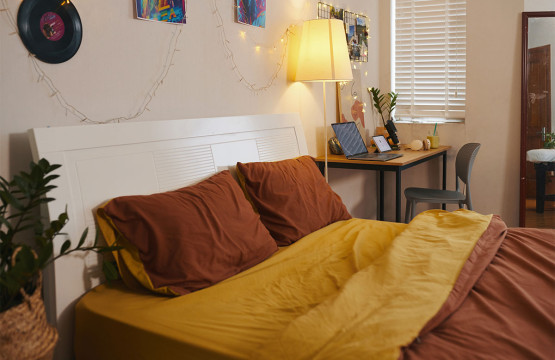
Your room is likely to become your little sanctuary during university, so making it feel personal can make a huge difference to how quickly you settle in.
There can be a strange amount of pressure surrounding university rooms. You may see pictures online of beautifully decorated student bedrooms and feel like yours needs to look exactly the same. It doesn’t.
Your room will naturally evolve throughout the year. You might realise that you need a better desk lamp after a few weeks, or decide you need more storage. Just let it happen naturally.
If you need any tips on how to decorate student accommodation, we have you covered.
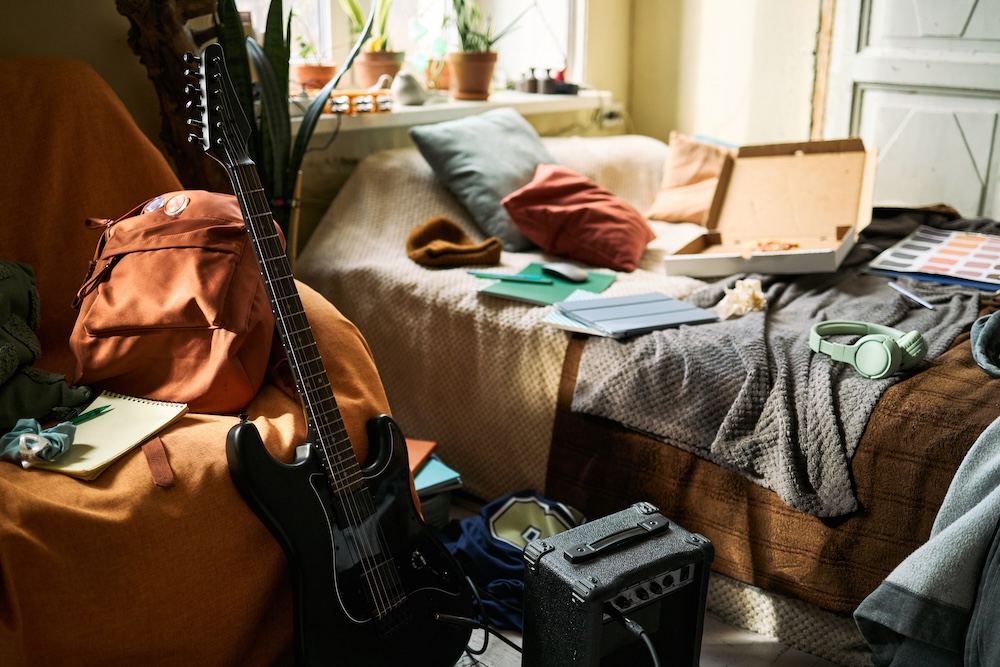
One of the best pieces of advice for your first week in student housing is to keep a list of things you need.
You might arrive thinking you’ve packed everything, only to realise three days later that you don’t have a folder for your university notes or enough sticky notes to last the term. Sometimes, you don’t realise you need something until you’re actually living without it.
Keep a note on your phone and add things as you think of them. Your list might include:
Don’t worry about buying everything immediately. Your first week is actually a great time to work out what you genuinely need rather than spending money on things that end up sitting unused.
You may also discover that your accommodation already provides some items you thought you’d need to bring, so check what is included before you buy anything.
When you move away from home, you will experience periods of time where you feel like you don’t have everything together and that’s okay. Everyone is just figuring it out as they go. Moving away from home for the first time is a huge change, and part of the excitement is learning who you are and what you need in your daily life without any parental guidance.
Once you have set up your room and introduced yourself to your housemates, you need to figure out where all your local amenities are. Take a quick walk around the area and look for all the most important places like supermarkets, pharmacies, train stations, takeaways, the GP, post office, and any green spaces.
It will help you feel more settled in, and prevent you from panicking if you need to grab something in an emergency.
You should also look for:

If you’ve moved to a new city that’s unfamiliar to you, the public transport system can initially seem intimidating. But it won’t take long before you become familiar with your usual routes.
Before your first day of lectures, practise your journey from your student accommodation to campus.
Give yourself extra time during your first few journeys. There is nothing worse than starting your first lecture already stressed because you couldn’t find the right platform. And remember, getting lost occasionally is part of learning a new city and it’s better to do it now than when you have a lecture to get to.
Check:
Your accommodation doesn’t have to be the only place where you feel at home. Part of settling into university is finding places where you can relax, study, exercise, or meet people outside your accommodation.
Try somewhere new occasionally. You might discover your favourite part of the city completely by accident. And don’t forget to check your student union.
The first week can feel chaotic. There are welcome events, university inductions, new friends to meet, places to explore, Freshers’ Week to be had, and potentially a lot of late nights.
Enjoy it, but remember that establishing a basic routine can make the transition into university life much easier. It doesn’t need to be strict, and don’t worry if it takes a good few weeks to settle into.
One of the biggest adjustments when moving away from home can be feeding yourself.
You may be used to having meals prepared at home, or simply not having to think about where your next meal is coming from. Suddenly, you’re responsible for deciding what to buy and how much you’re spending.
Don’t put pressure on yourself to become a brilliant cook overnight. Start with a few simple meals you know you’ll eat. Pasta, stir-fries, jacket potatoes, soups, sandwiches and easy traybakes can all be great and cheap options when you’re getting used to cooking for yourself.
It’s also worth learning which supermarkets are closest to your accommodation and whether there are cheaper alternatives nearby.
And remember that your first few weeks are a good time to experiment. You might discover that cooking with your housemates is cheaper and more enjoyable than cooking alone.
Perhaps the most important piece of advice we can give you is to give yourself time. There’s a lot of messaging around university suggesting that you should immediately have the best time of your life. You’re supposed to make lifelong friends, join societies, explore London, keep up with your work and feel completely independent from day one. But real life isn’t always like that.
You might feel homesick. You might miss your family. You might not immediately click with your housemates. You might spend the first weekend in your room watching television. You might get lost on the Tube.
None of this means that you’re doing university wrong.
Moving away from home is a major life change, and settling into your student accommodation takes time. Let yourself have good days and difficult days without feeling like you need to force yourself to enjoy every second.
And lean on your friends and family wherever possible.
Living away from home doesn’t mean you have to stop being connected to the people and places you know. If you’re feeling homesick, call a family member or friend. Send someone a photograph of your new room. Tell your friends about your first week. Schedule a video call if you’re studying particularly far from home.
You could even bring a small, familiar routine into your new life like having a Sunday phone call with your family or cooking a meal that reminds you of home.
These small connections can be incredibly comforting while you’re adjusting to your new surroundings.
It can take a while before your student accommodation in London actually feels like home.
At first, it might simply feel like the place where you’re sleeping between university events. Gradually, though, you’ll develop your own routines.
You’ll know which cupboard contains your favourite mug. You’ll have a preferred spot on the sofa. You’ll know when the supermarket is quiet. You’ll recognise your housemates’ footsteps. You’ll have your favourite takeaway and your favourite route home.
Those little things are what turn accommodation into home. You don’t need to force that feeling during your first week. Give yourself the time and space to settle naturally.
If you’re relocating to London and need affordable accommodation with plenty of space to study for your upcoming exams, then there’s nothing like the comfort of LHA London.
Our hostels cover all major points on London’s map and cover your bills too, so you don’t need to worry about any additional costs while you focus on building the life you want.
For more information about how our charity can help you get set up in the big city, take a look at our available accommodation and don’t forget to check out our offer to discover what we can offer you.

Moving into student accommodation in London is an exciting milestone; it’s often the first time you have a space…
Read More
Whether you’re studying for postgraduate exams, or slowly piecing together your dissertation, studying in a group can be one of…
Read More
Everyone who’s ever studied will be familiar with the procrastination demon; the voice in the back of your head that…
Read More
Canary Wharf is a financial and... Read More

If you’re new to London, volunteering... Read More

There’s something very strange about your... Read More